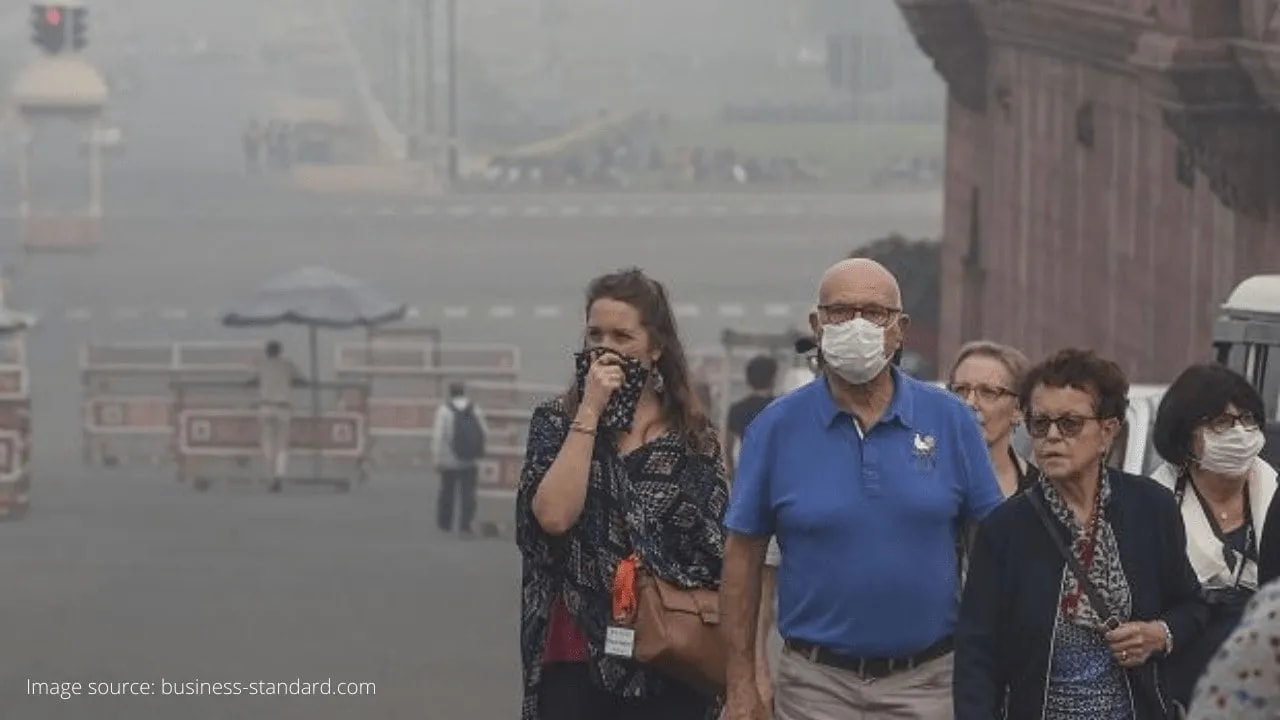
Air pollution in India is not uniformly distributed across the year — it follows a predictable seasonal cycle that peaks during the October-to-January period in North India, driven by a combination of meteorological and anthropogenic factors.
The primary drivers of seasonal pollution in North India are: temperature inversions (which trap pollutants close to the ground during the winter months), reduced wind speeds (limiting the natural dispersal of particulate matter), crop residue burning in Punjab, Haryana and Uttar Pradesh (which typically peaks in October and November), and increased heating activity as temperatures drop.
For air purifier buyers, this seasonal pattern has a practical implication: October is the critical month. Purifiers purchased and installed before the pollution season begins are able to operate from the start of the high-exposure period. Waiting until AQI levels are already hazardous means a period of unprotected exposure.
The Indian Central Pollution Control Board (CPCB) publishes real-time AQI data for major cities. Checking this data from September onwards allows residents and facility managers to time their air quality investments to best effect.