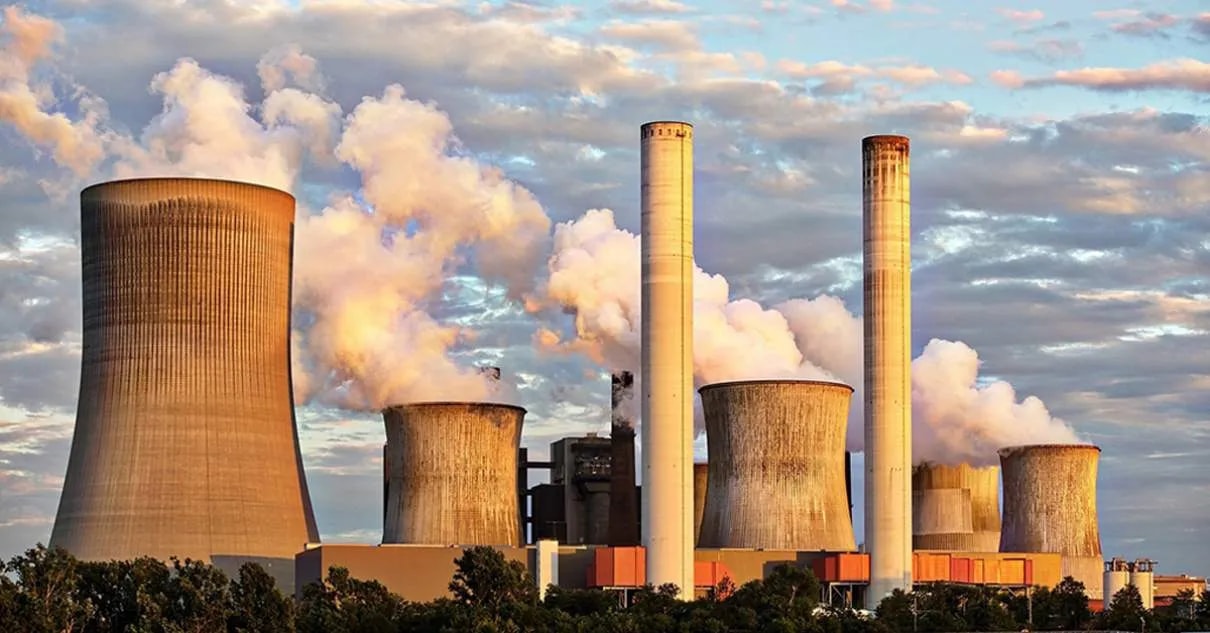
Air pollution is not only a public health crisis — it carries a massive economic cost that rarely features in the public conversation. The cost of inaction on indoor and outdoor air quality is measured in lost productivity, healthcare expenditure, and shortened lives.
India's Central Pollution Control Board tracks ambient air quality across major cities. Studies published in peer-reviewed journals have consistently linked PM2.5 exposure to increased incidence of cardiovascular disease, respiratory conditions, and cognitive decline.
The World Health Organization has established that outdoor air pollution causes approximately 4.2 million premature deaths per year globally. Indoor air pollution — from cooking fuel, building materials, and inadequate ventilation — is responsible for a further 3.8 million premature deaths annually.
From an economic perspective, the World Bank has estimated that air pollution costs India approximately 8% of its GDP annually when accounting for welfare losses, healthcare costs, and reduced labor productivity.
For businesses, the calculus is more direct: poor indoor air quality in offices is associated with reduced cognitive performance, higher absenteeism rates, and lower employee retention — all of which have measurable financial consequences.
Investing in effective indoor air purification is not merely a health expenditure — it is a productivity and business continuity investment.