Household odors — from cooking, pets, smoke, cleaning products and building materials — are caused by volatile organic compounds (VOCs) and other gaseous molecules. HEPA filtration alone does not remove these compounds; they pass straight through fibrous filter media.
Effective odor removal requires activated carbon filtration. Activated carbon works through a process called adsorption — VOC molecules adhere to the vast surface area inside the carbon's porous structure. The effectiveness of an activated carbon filter is directly related to the mass of carbon it contains.
Cheap air purifiers often include a thin carbon-coated mesh that contains only a few grams of carbon. This provides minimal and short-lived odor control. Effective odor removal requires filters with at least 1–2 kg of granular activated carbon.
For kitchens, pet areas or spaces where smoking occurs, the activated carbon filter should be replaced more frequently than in standard residential use — typically every 3–6 months rather than 6–12 months.
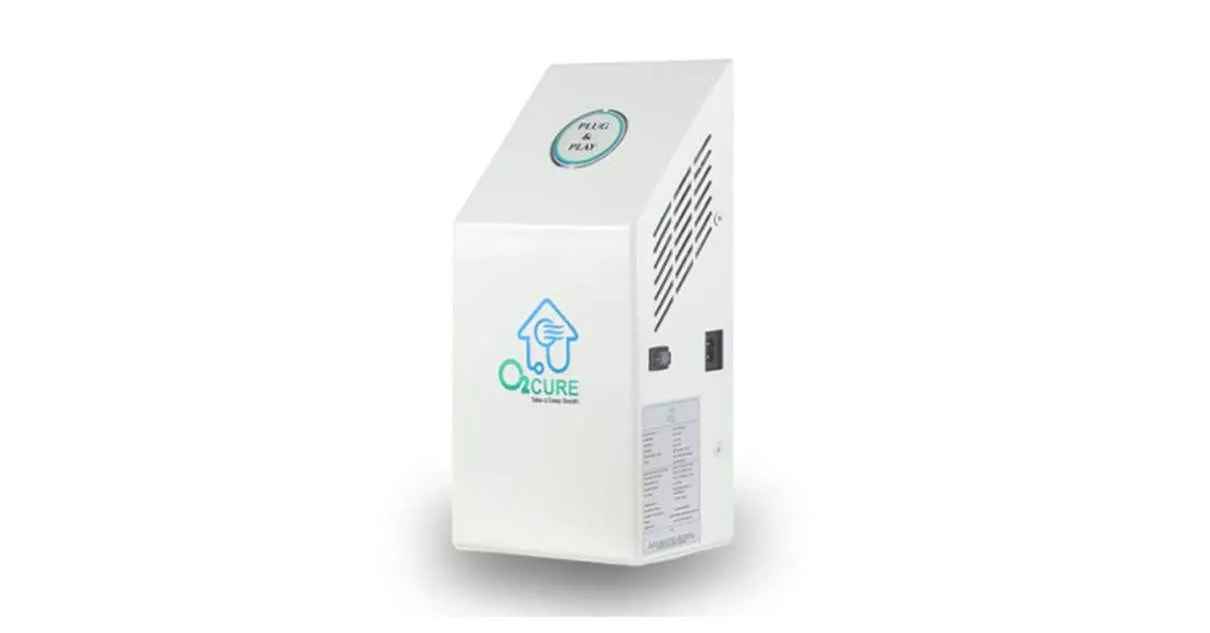
O₂Cure's Hulk model, designed for larger spaces, includes a substantial activated carbon stage alongside its True HEPA filtration — making it particularly well-suited for odor-heavy environments in homes and commercial kitchens.