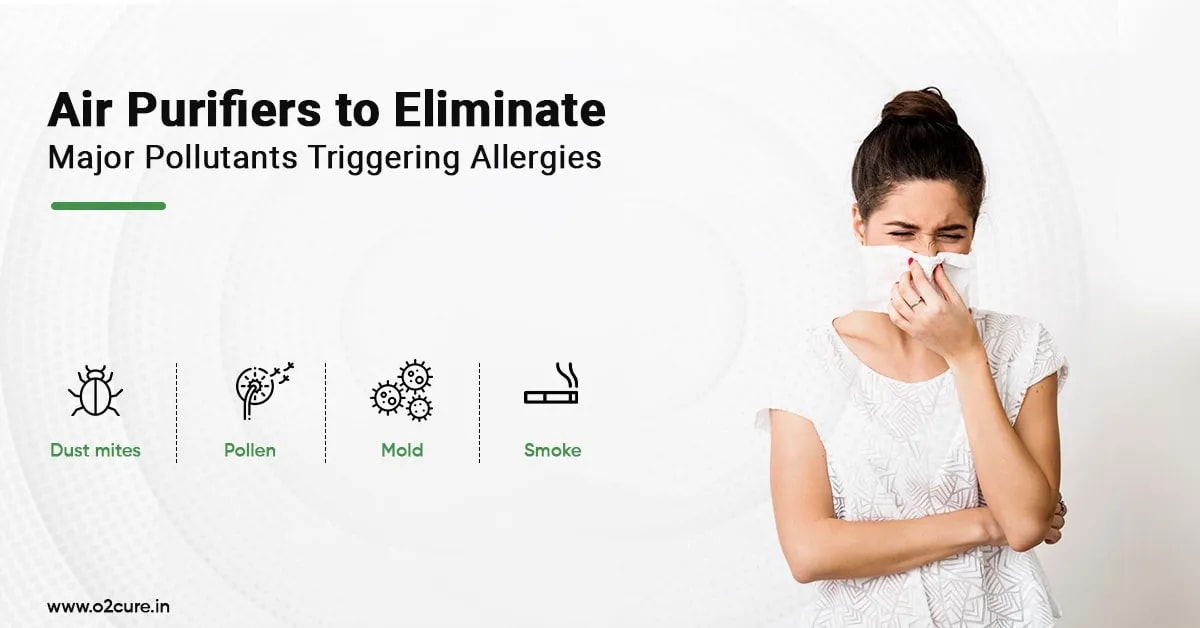
If you or a family member suffers from allergies, selecting the right air purifier is one of the most important decisions you can make for your indoor environment. Not all purifiers are equally effective at capturing allergens — and some can actually make allergies worse if poorly maintained.
The four key criteria to evaluate are: filtration grade, CADR rating for the room size, whether the unit has a sealed system (preventing unfiltered air from bypassing the filter), and the maintenance cycle including filter replacement frequency.
True HEPA filtration is the minimum standard for allergy control. A HEPA filter captures 99.97% of particles at 0.3 microns — covering pollen (typically 10–100 microns), dust mite allergens (1–10 microns), pet dander (2.5–10 microns), and mold spores (1–20 microns).
CADR (Clean Air Delivery Rate) must match the room size. For a bedroom of 150 sq ft, the minimum recommended CADR is 100 cfm. Undersizing a purifier is one of the most common mistakes allergy sufferers make.
A sealed system ensures that all air passing through the purifier goes through the filter — not around it. Many budget purifiers have gaps between filter and housing that allow unfiltered air to recirculate.
Pre-filters extend HEPA life by capturing larger particles. Replace them on schedule — a clogged filter loses efficiency rapidly and can become a source of microbial growth.